BLOG
Help Us Shape a New Tool for Kids’ Executive Functioning
Help Us Shape a New Tool for Kids’ Executive Functioning
From NeuroJoy, LLC
Hi friends,
Now that I finally have a little breathing room, I’d love to ask for your thoughts.
A few years ago I learned how to build and sell products on Amazon through a program called Rainmakers. During that time, I created something that—at least in this format—didn’t exist yet. Unfortunately, tariffs began affecting manufacturing costs shortly after, and I had to put the project on pause for a while.
But the mission behind it never left my mind.
Today, I’m excited to revive that idea through a company I started called NeuroJoy. The name is officially registered, and I’m preparing to produce and launch our first product on Amazon.
Before I move forward with manufacturing, I’d really value your input.
The Idea: Durable Executive Function Blocks for Kids
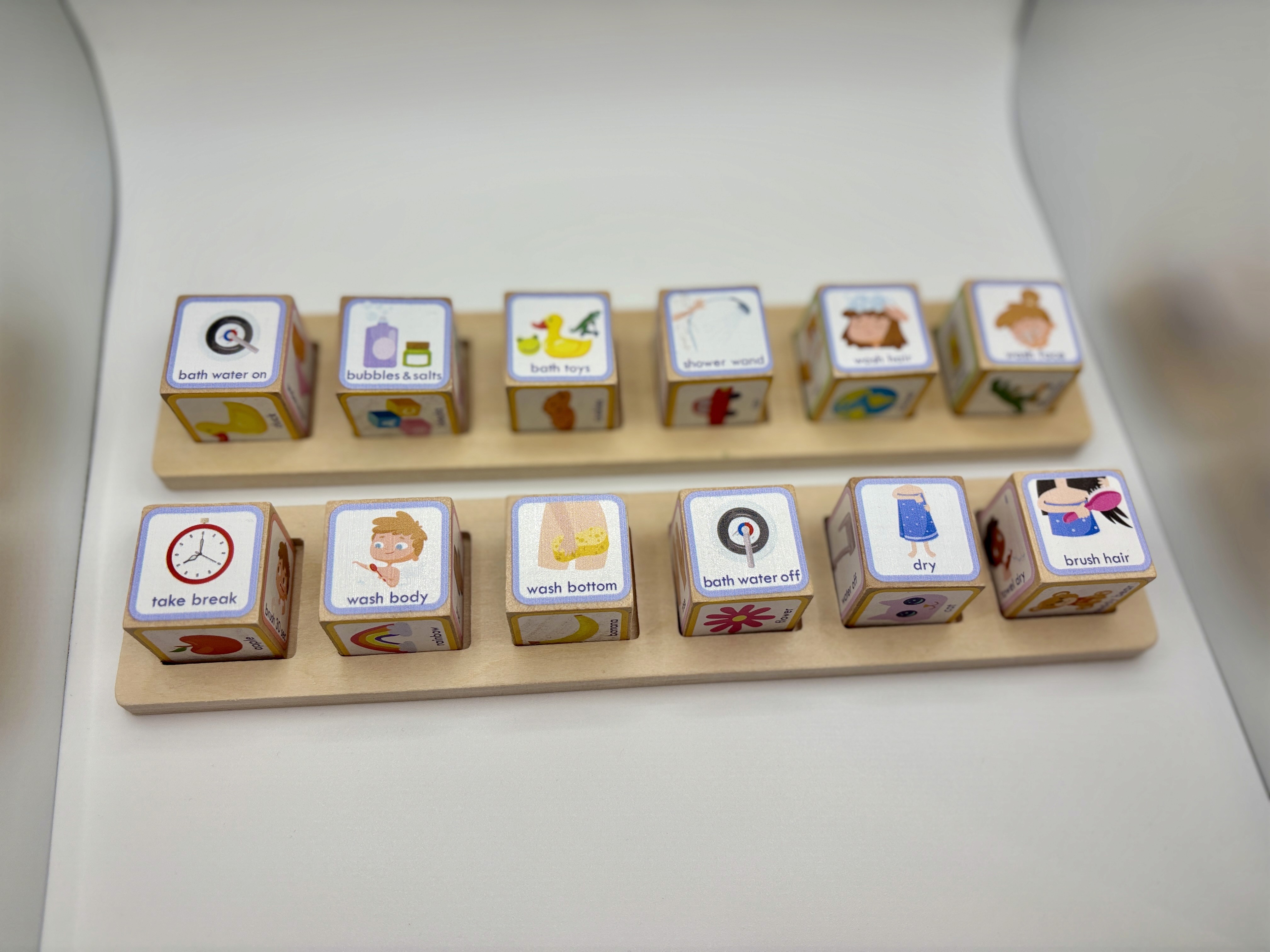
These blocks are designed to help children develop executive functioning skills—the mental processes that help us plan, remember steps, regulate emotions, and complete everyday tasks.
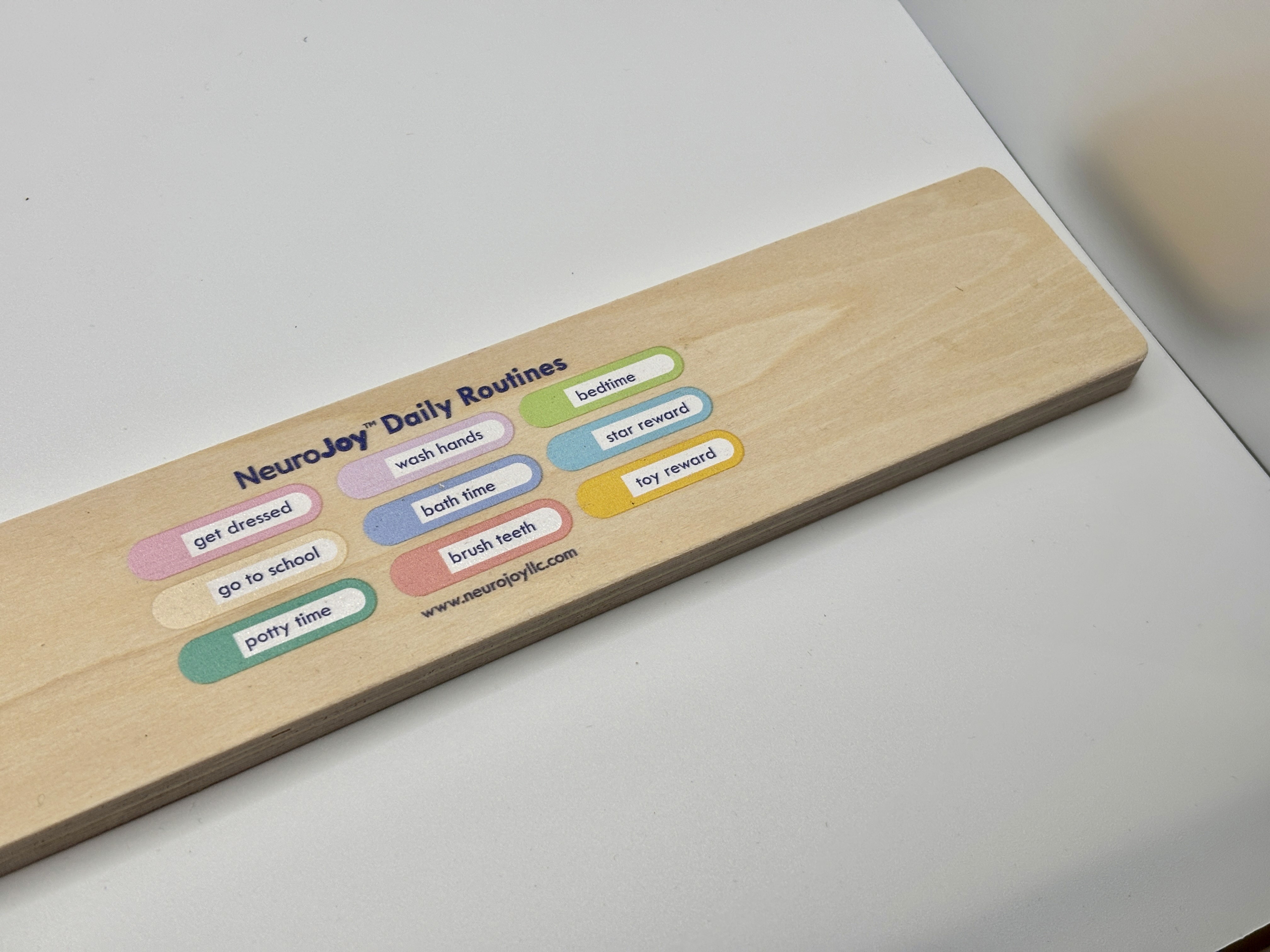
If you’ve worked with young children—or have children yourself—you’ve probably seen visual routines used to help guide daily activities. Often these are printed cards or paper charts showing steps like:
Wash hands
Go potty
Take a bath
Brush teeth
Get ready for bed
When my daughter Josie was younger, we used tools like this. But one problem quickly became obvious: paper cards don’t last long—especially with curious kids who like to chew, bend, or carry them everywhere.
So I started thinking: What if these routines were built into something durable and tactile?
The Solution
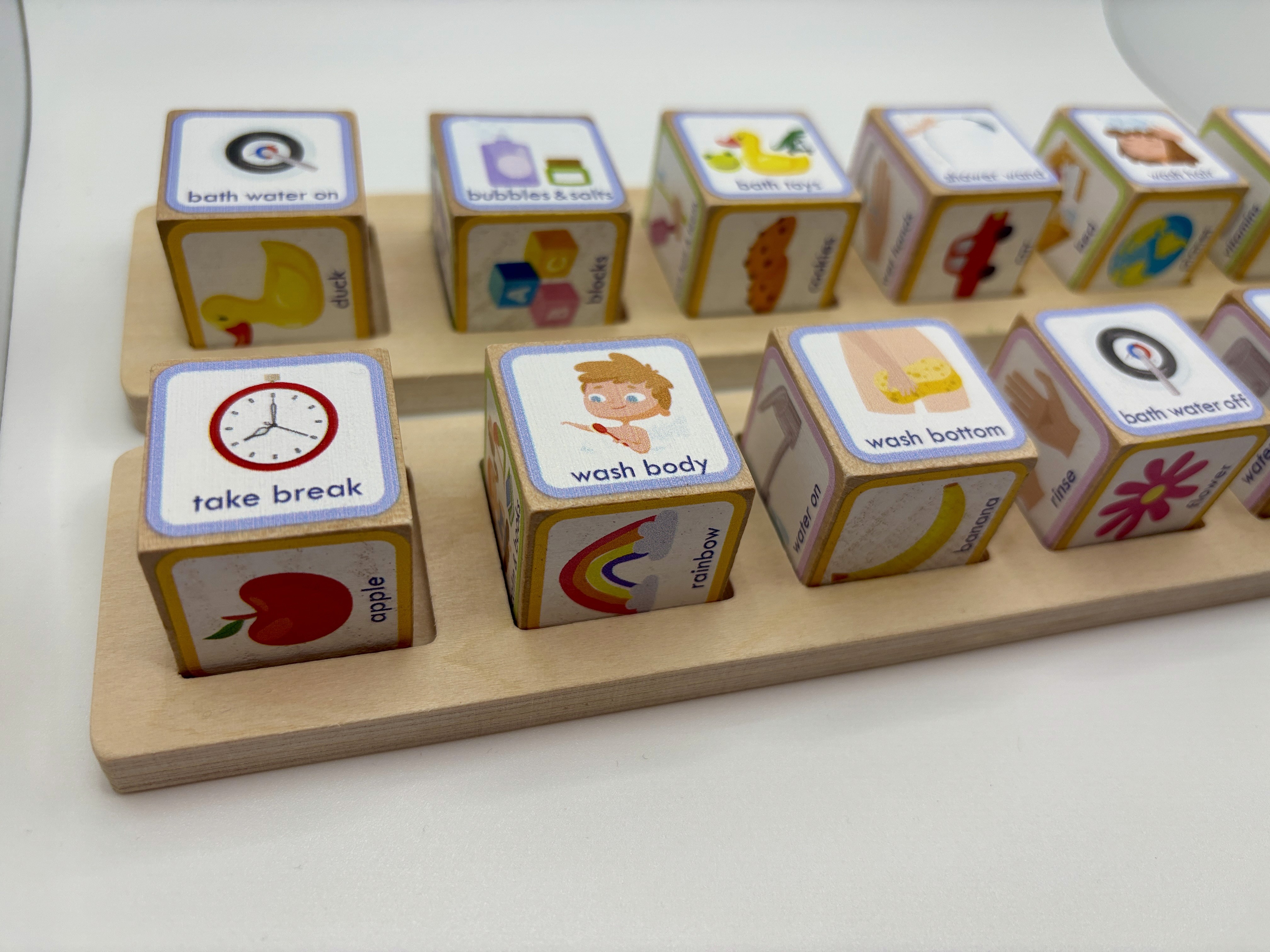
These routine blocks are designed to be:
Made from natural wood, similar to classic toys like Melissa & Doug
Water-resistant, so they hold up to real-life use
Color-coded, making it easier for parents and children to sequence steps
Interactive, allowing kids to flip the block after completing a task
No Screens, since screens can distract kids from the task
Each block represents a step in a routine. Once the step is finished, the child flips the block over to reveal a star, celebrating their accomplishment and reinforcing progress.
The goal is simple:
Help kids visually and physically work through routines while building independence and confidence.
One Change I’m Considering
Right now, I’m thinking about making the border colors brighter, so it’s even easier for kids (and parents) to match and organize the steps.
But before I move forward with producing hundreds of these for Amazon, I’d love to hear from you.
I’d Love Your Thoughts
If you’re a parent, teacher, therapist, or someone who works with children:
Do these seem useful?
Would you change anything about the design?
Are there routines you think should definitely be included?
Any other ideas or tweaks that could make them better?
My goal with NeuroJoy is to create tools that make everyday learning and routines easier for kids—especially those who benefit from visual structure and hands-on learning.
Your feedback could genuinely help shape this first product.
Thanks so much for your thoughts—and for helping bring NeuroJoy to life.
Warmly,
Jeni